

EN
RO
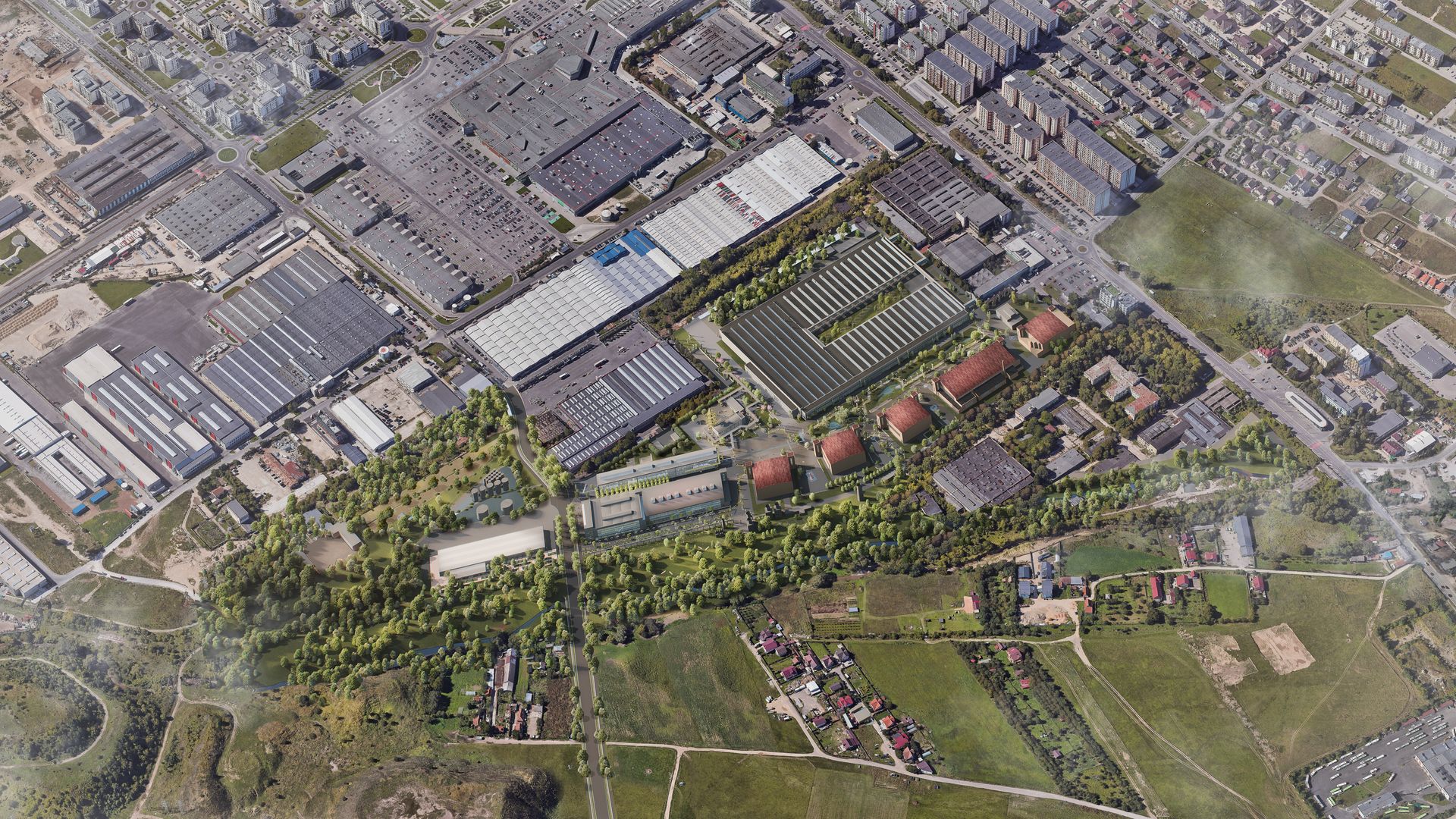
The Rulmentul Brașov site, originally an airfield and aircraft factory, played a key role in Romania's aviation history during World War II and later became a major industrial hub. Its history—shaped by wartime needs, industrial ambition, and modernization—grants the site immense cultural and architectural value. For Brașov, the Rulmentul complex represents the city's industrial legacy and resilience.
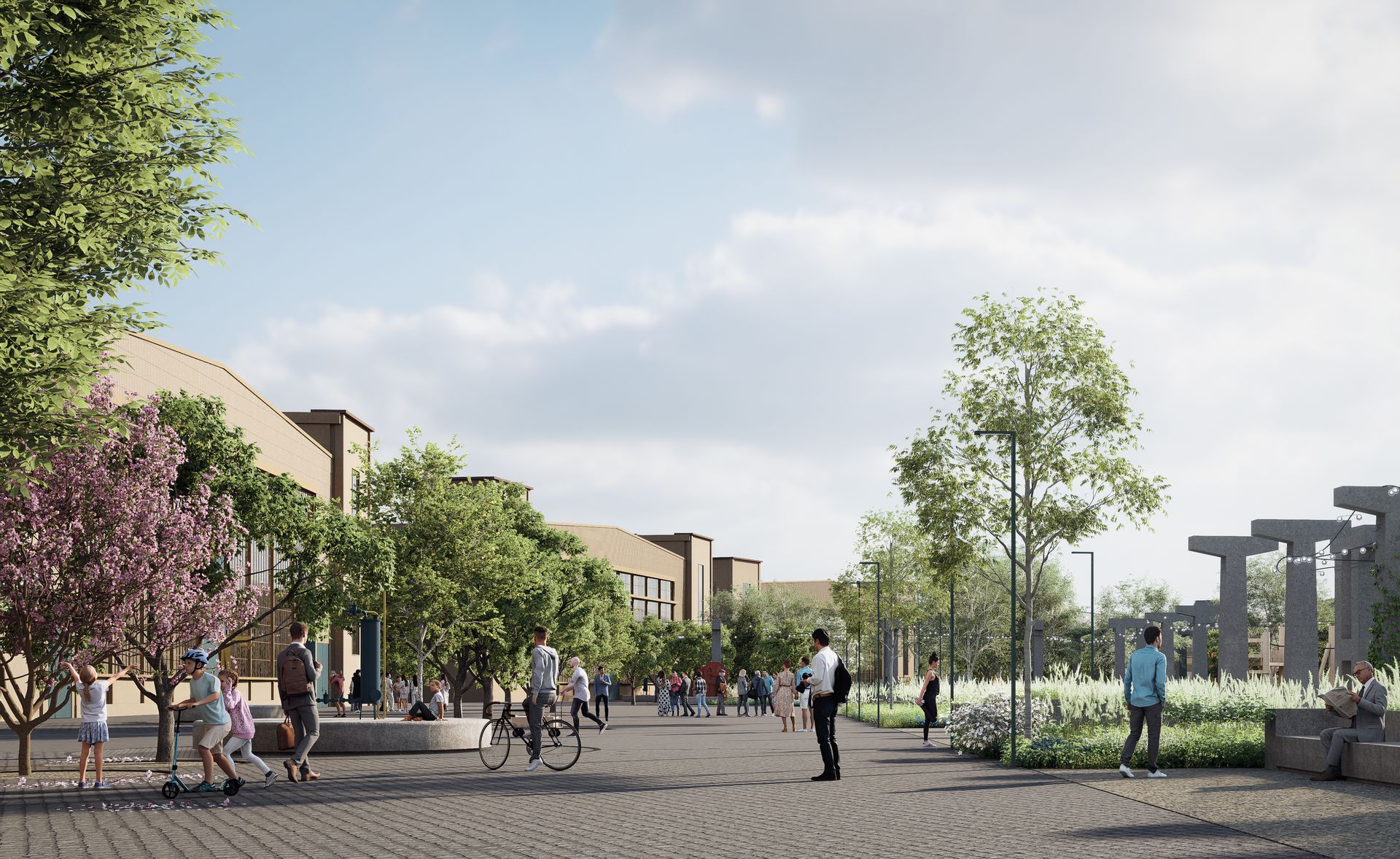
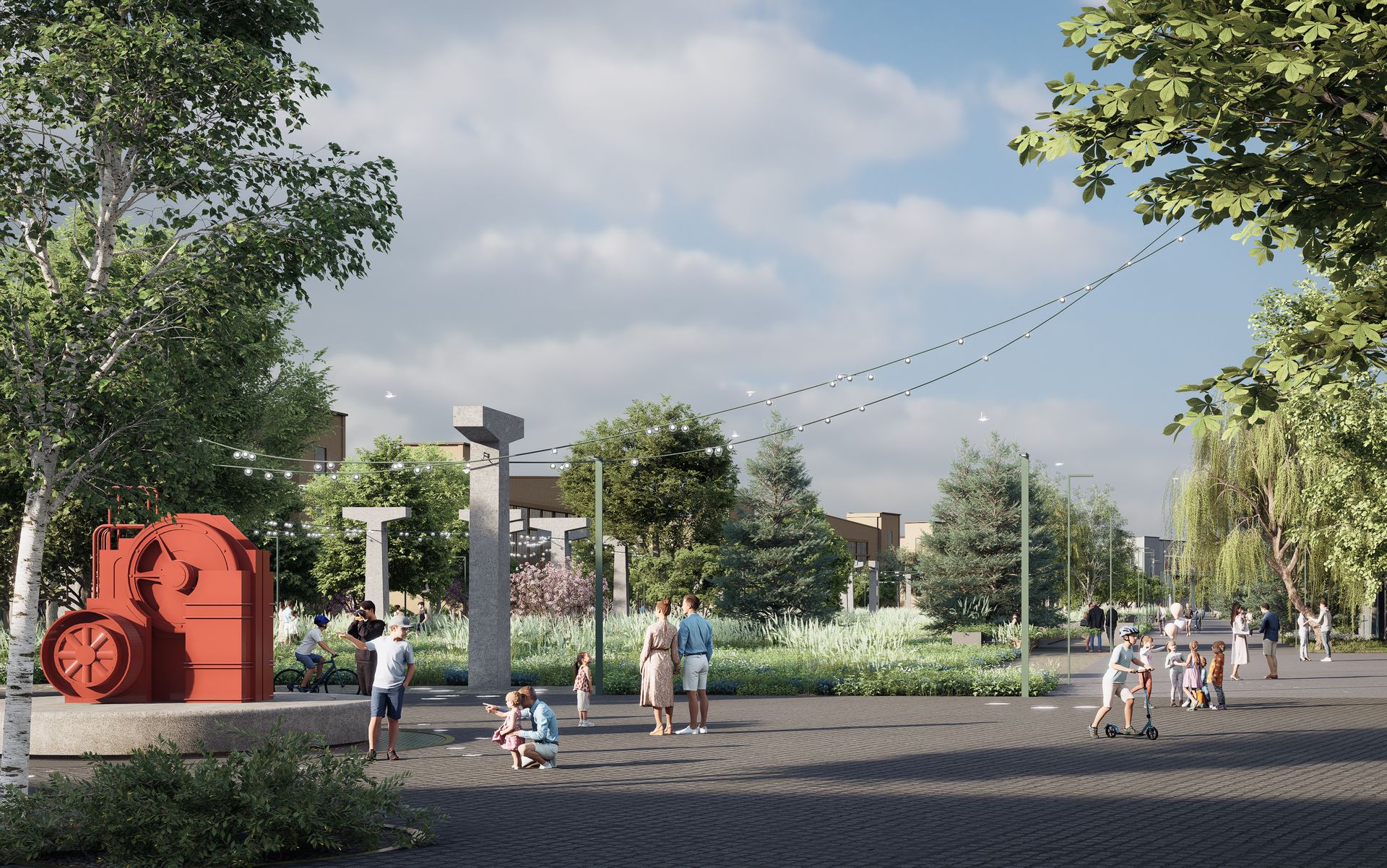
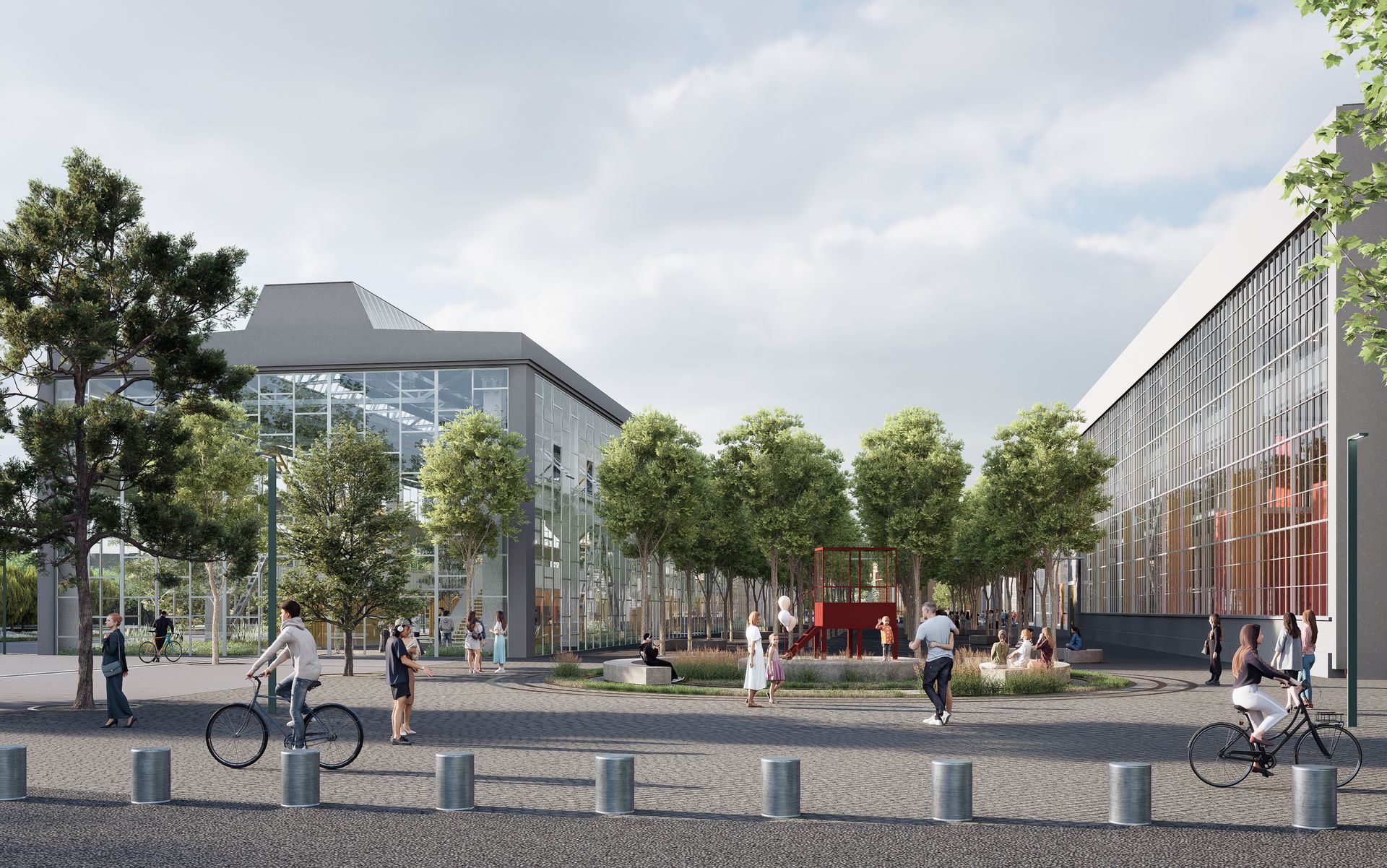
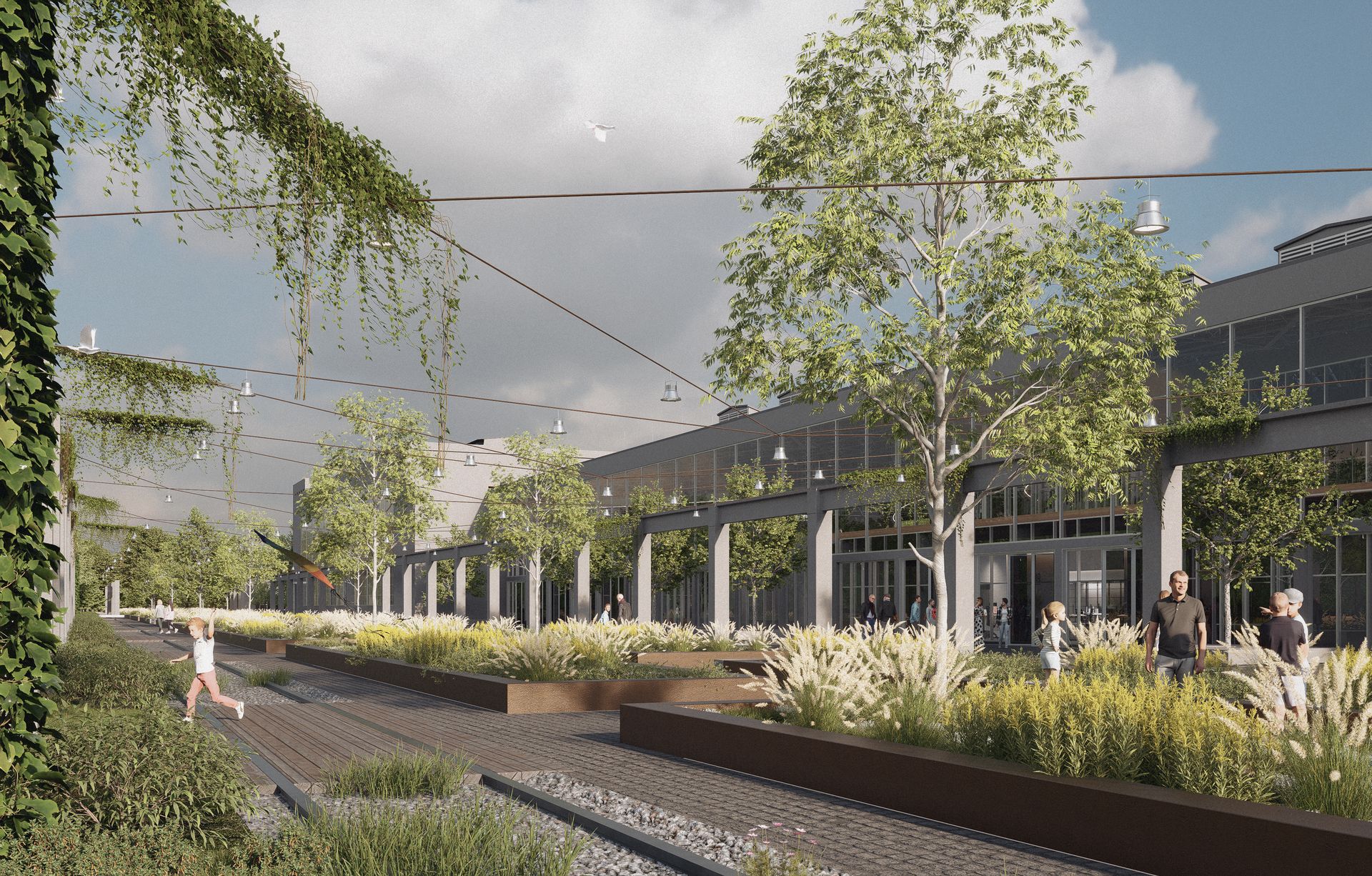
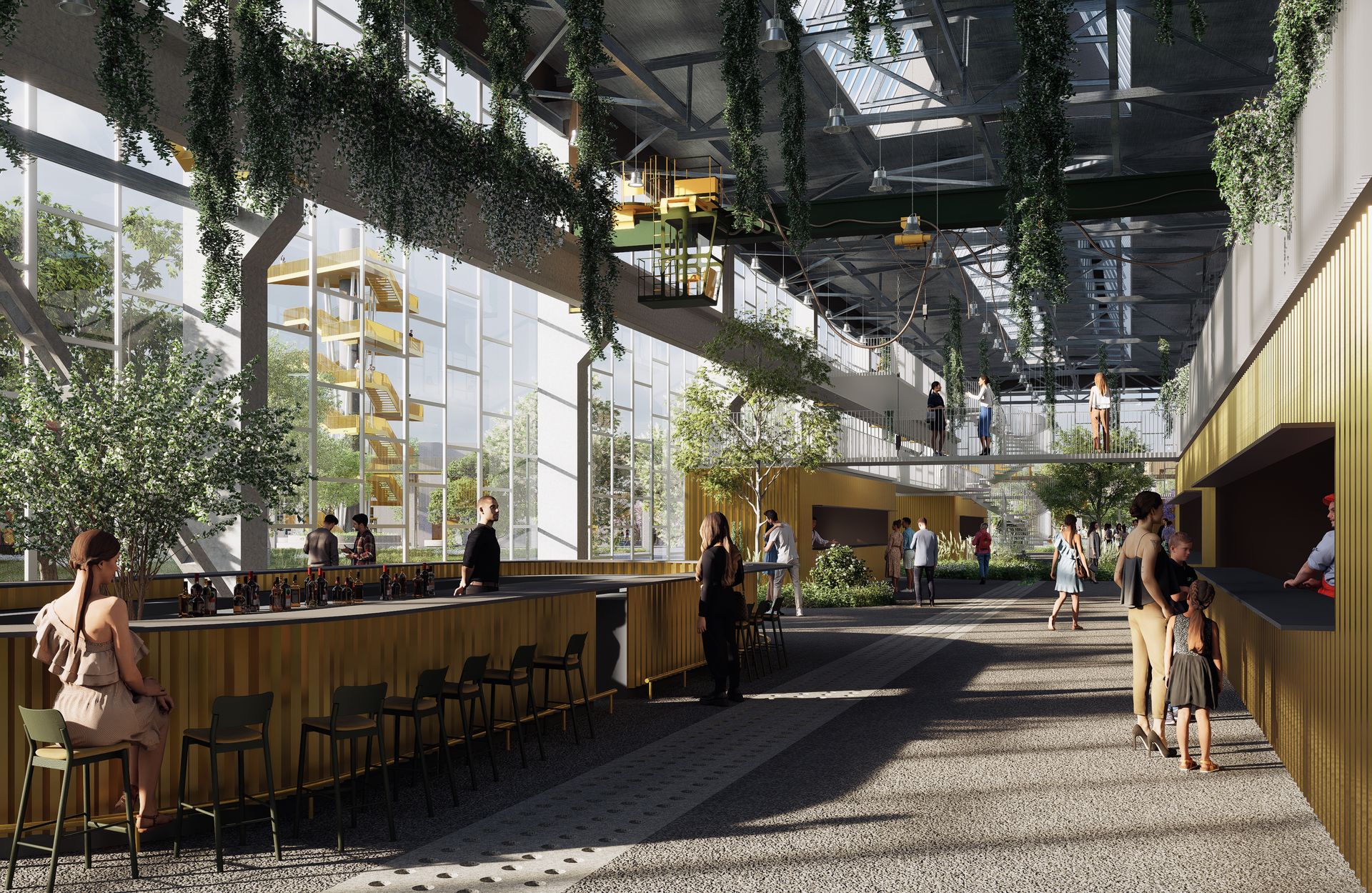
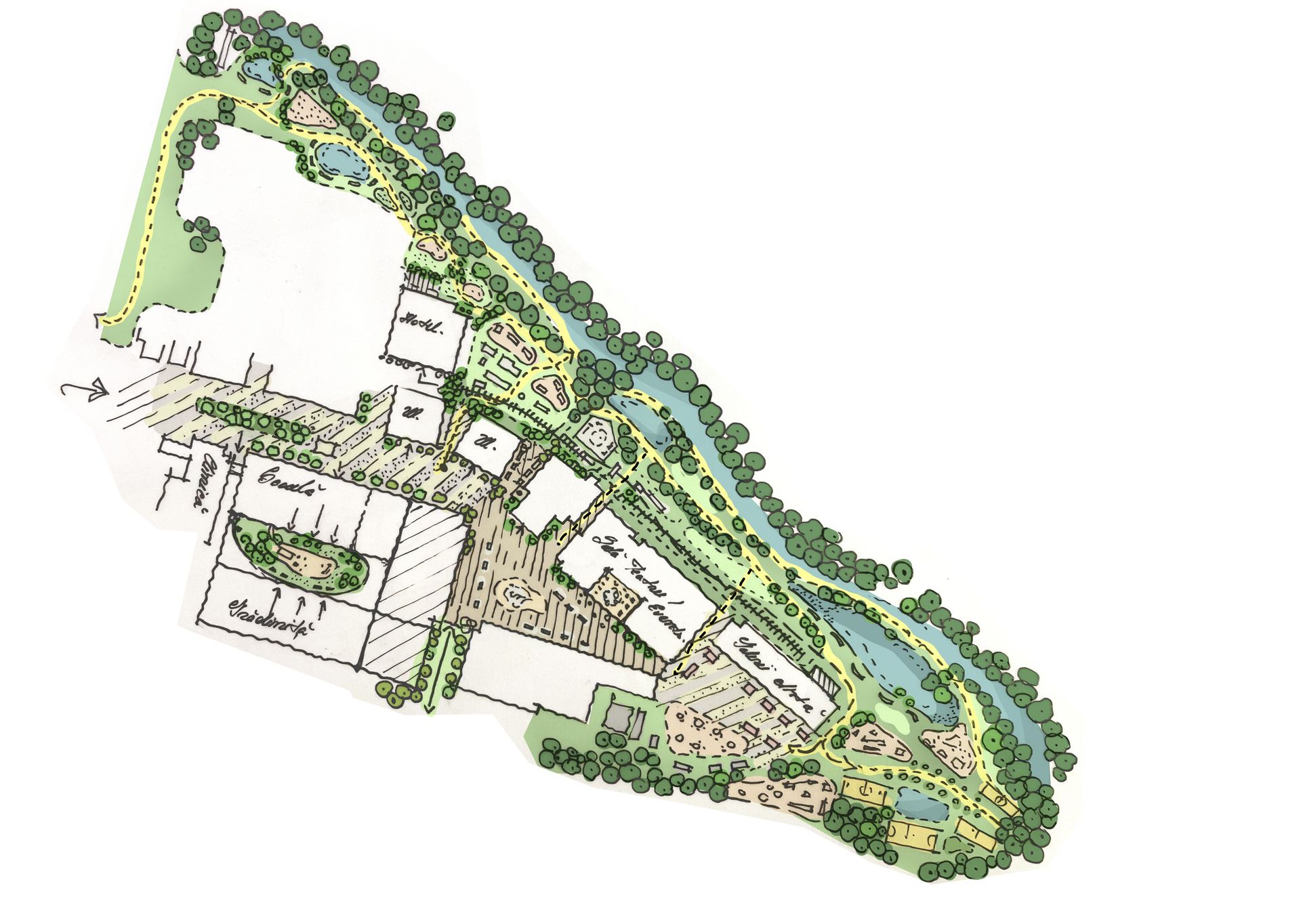
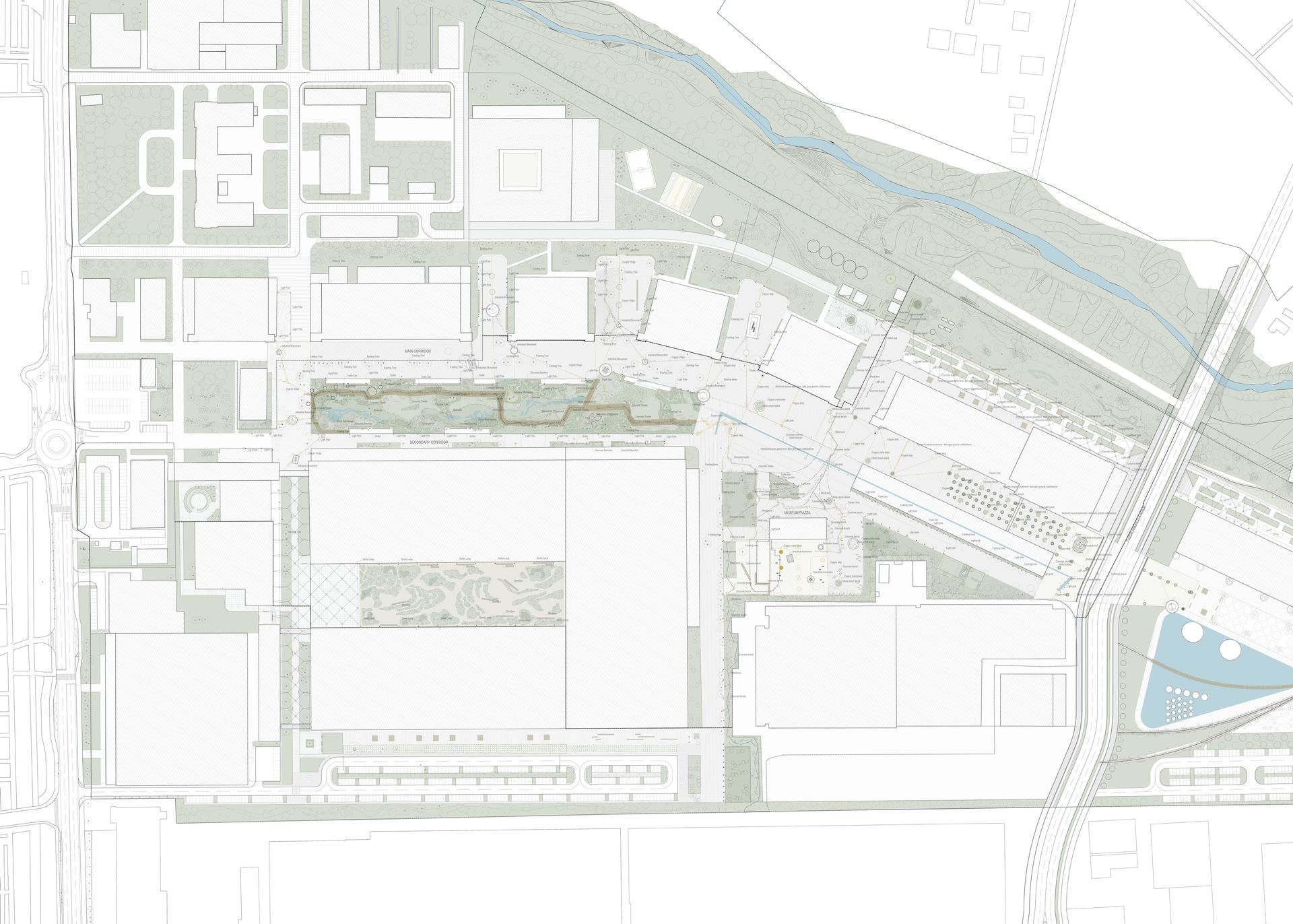
Our proposal seeks to transform the site into a vibrant urban space that serves contemporary needs while preserving its historical essence. Key structures like the hangars will be restored and repurposed, and the original layout, where planes once taxied, will be revived as a lively Corso. A secondary Corso will connect the Communist-era buildings, blending different architectural styles into a cohesive experience.
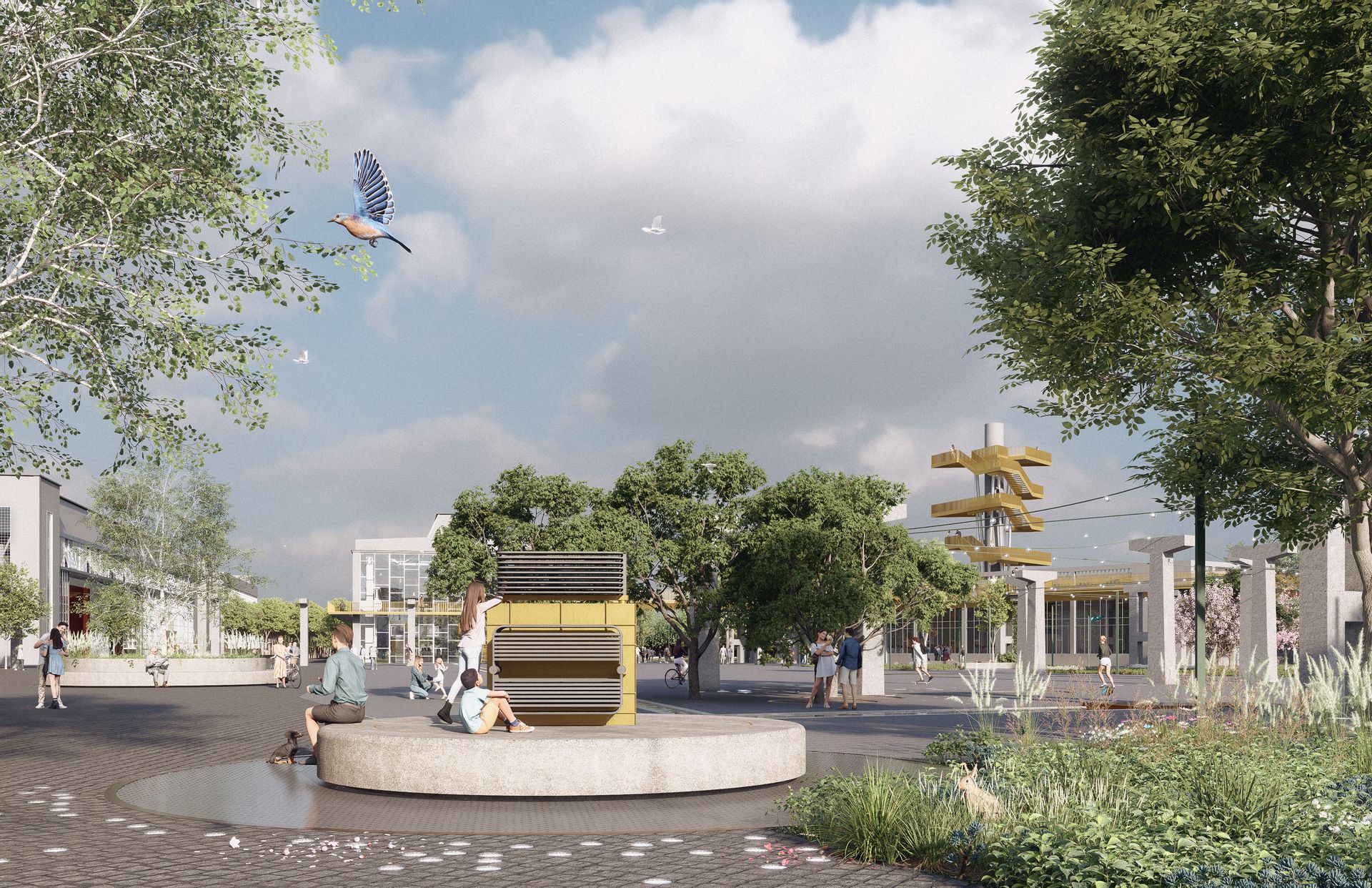
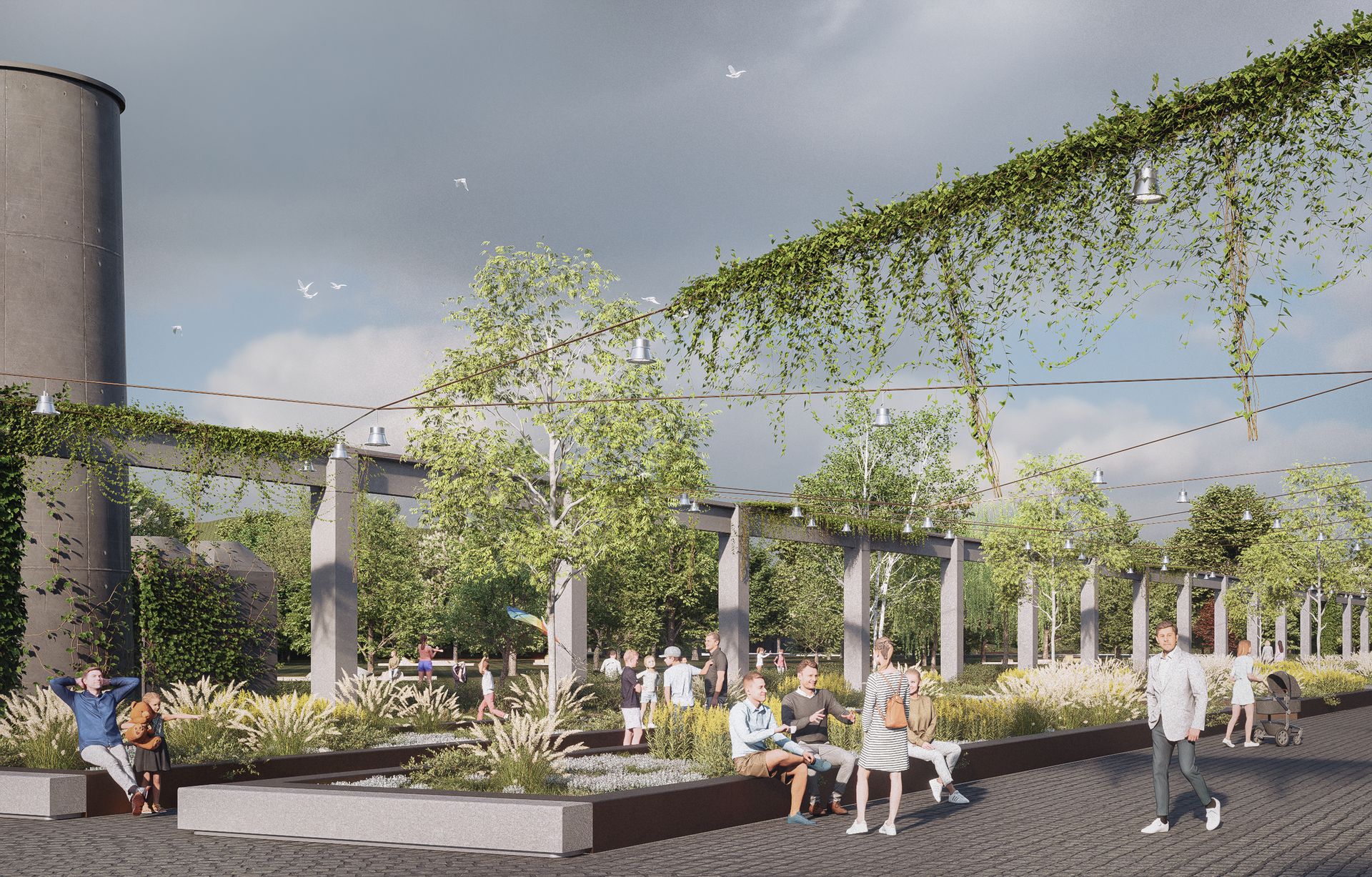
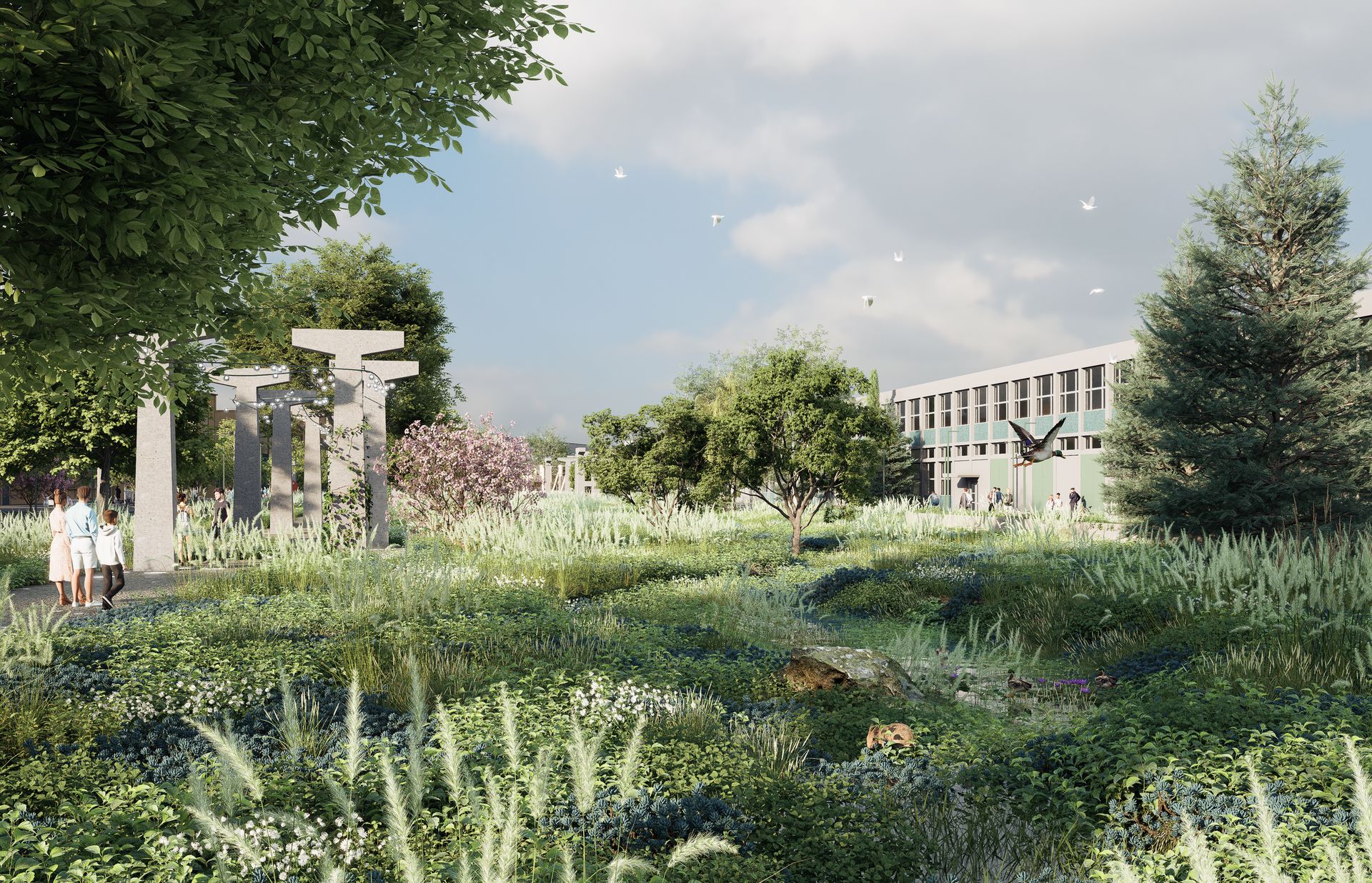
Central to the project is an urban garden between the Corsos, offering green spaces for community interaction. Part of the building in front of Hangar 6 will be converted into an Orangery, a hub for botanical and social activities. The former power plant will be transformed into a museum dedicated to Romania's Communist-era technical heritage. In the site's periphery, we plan to develop naturalist parks, a botanical garden, and an outdoor sports complex, creating a multifunctional environment integrating history, nature, and recreation.
Following an environmental assessment, we will prioritize waste removal, recycling, and site cleaning to ensure a safe environment for public engagement and future development.
1. Hazardous Waste Removal: Contaminants like heavy metals and asbestos will be removed using bioremediation to restore the soil for public use.
2. Demolition Waste Recycling: Materials such as concrete, steel, and brick will be salvaged and recycled, reducing waste while preserving the site's industrial past.
3. Selective Deconstruction and Reuse: Key architectural elements will be dismantled, restored, and reintegrated into the redevelopment, involving local artisans.
4. Site Cleaning and Preparation: After hazardous materials are removed, sustainable landscaping will begin, with community workshops on native species and green practices.
We will use innovative consolidation techniques to preserve the historical structures while minimizing intervention.
Building 15A (Hangar 6) and 15B: Horizontal bracing and seismic isolators will reduce stress on the structure. Corroded components will be replaced.
Buildings 25A and 25C (Film Studios): Seismic isolators will be installed, and local truss reinforcement will ensure stability. The anti-corrosion system will be renewed.
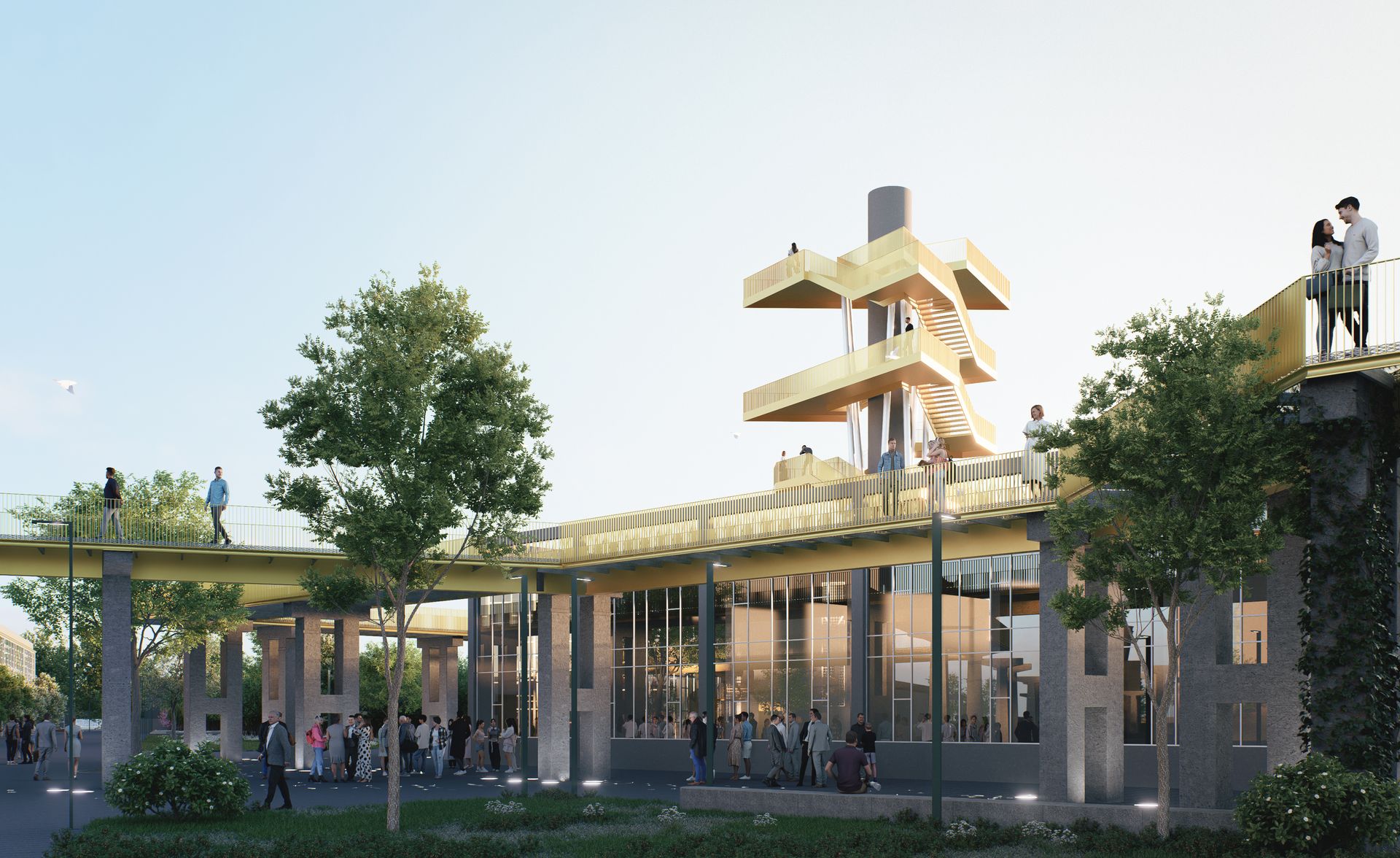
Thermal Power Plant Tower: The tower will be reinforced with a concrete jacket and waterproofing applied to protect it.
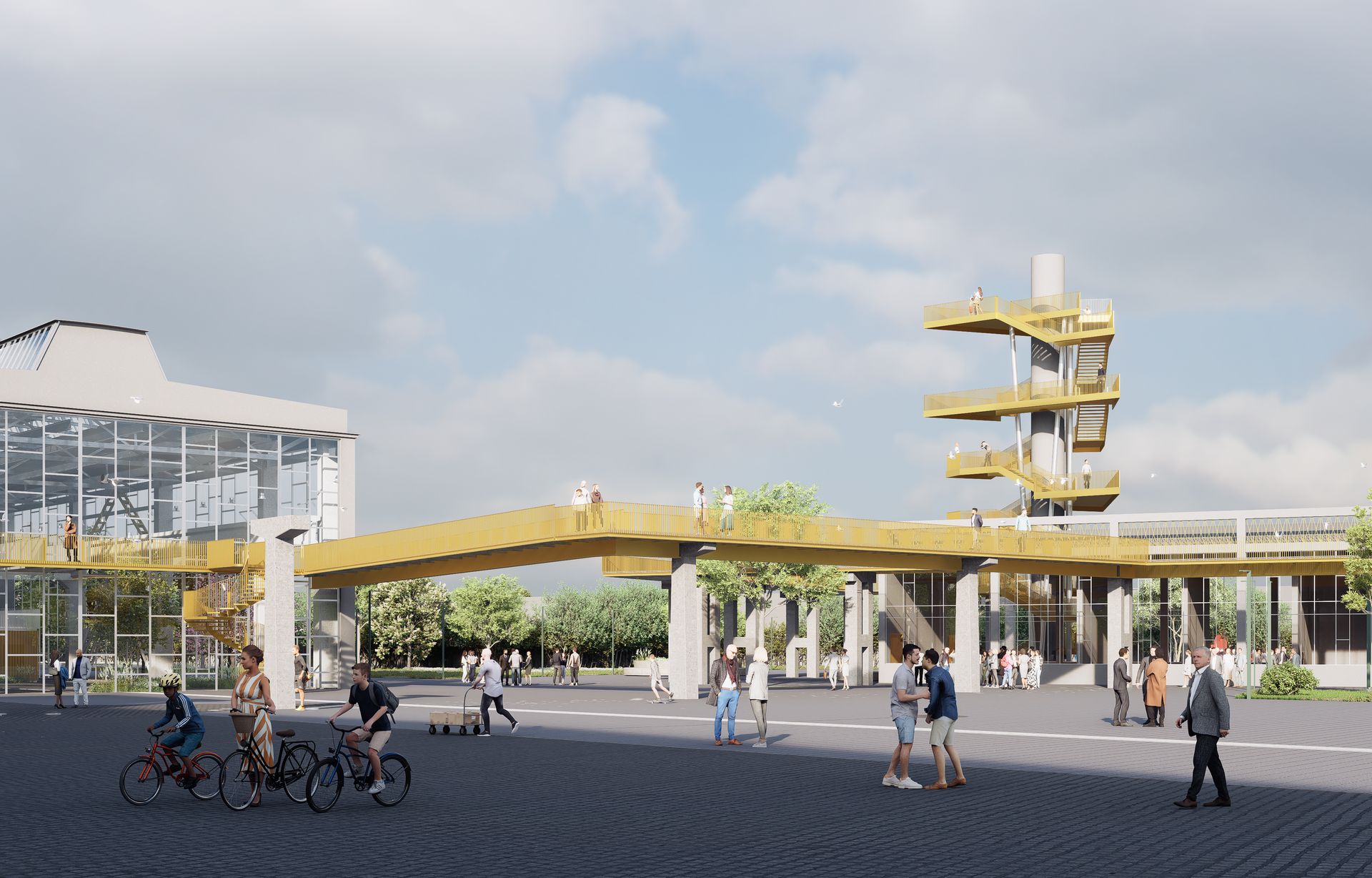
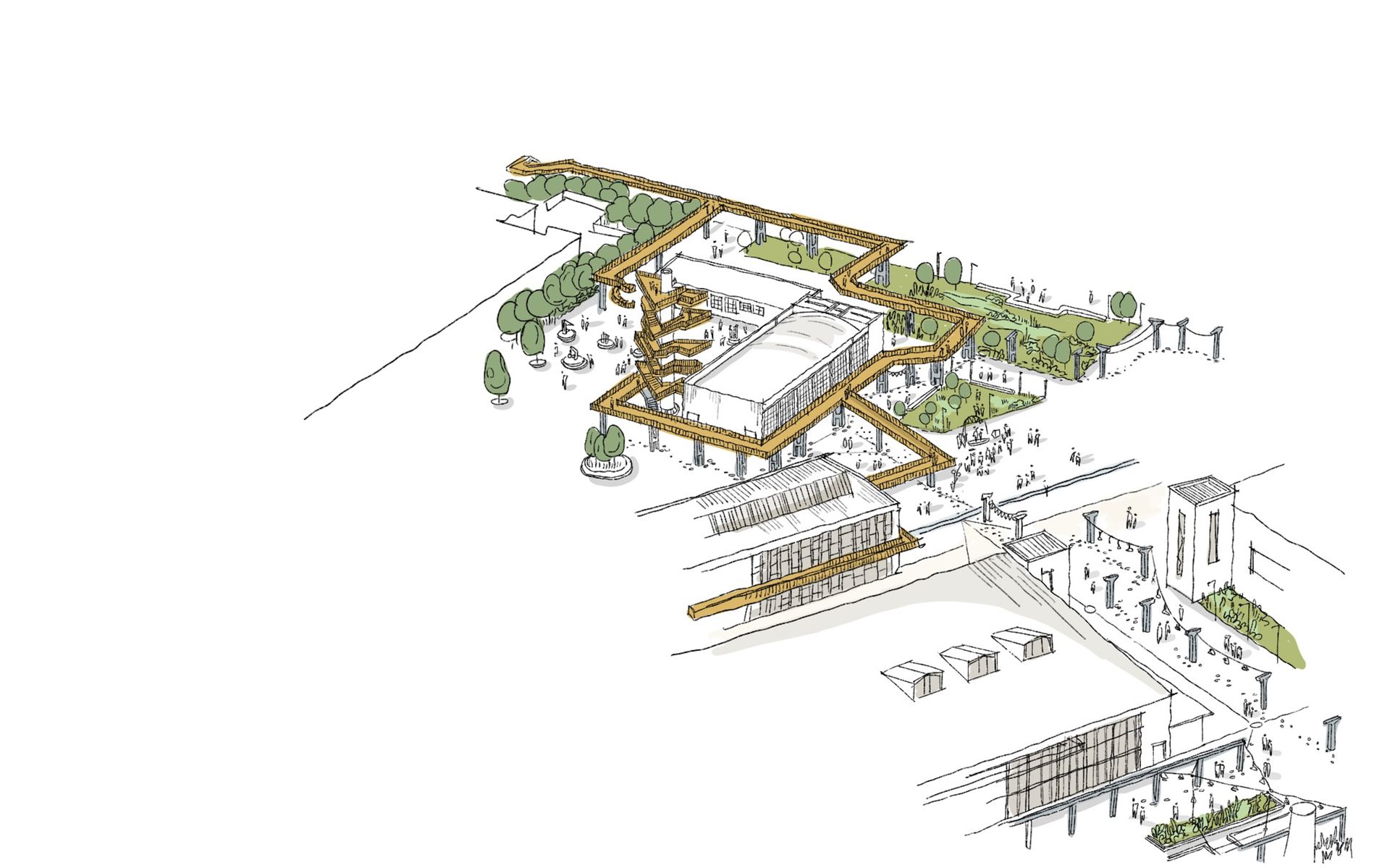
Viaducts: Pedestrian pathways will be integrated into the viaducts, with structural support as needed.
Temporary protection, such as weatherproofing and scaffolding, will safeguard the structures during consolidation, while clear safety protocols will engage the community in the process.
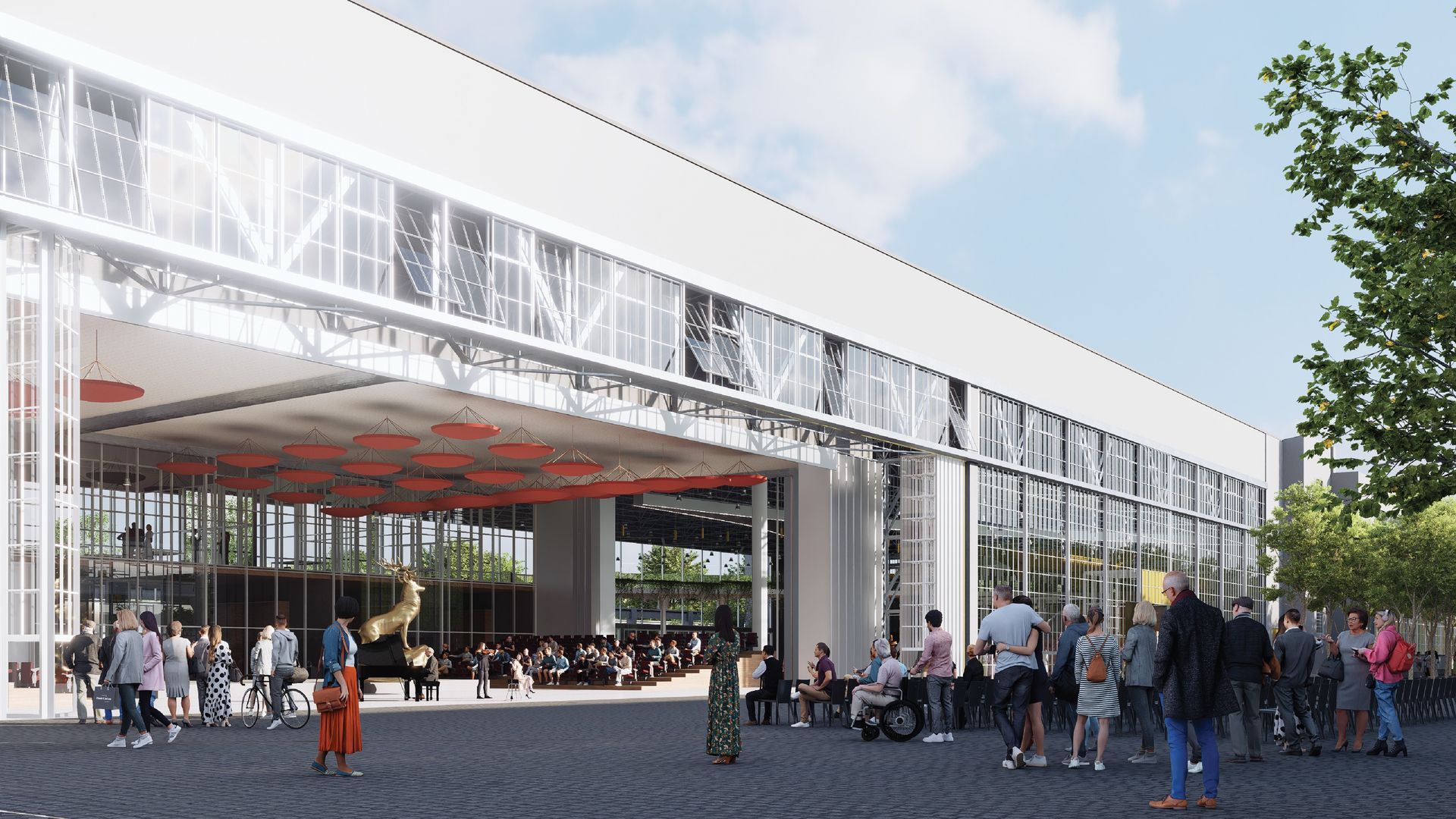
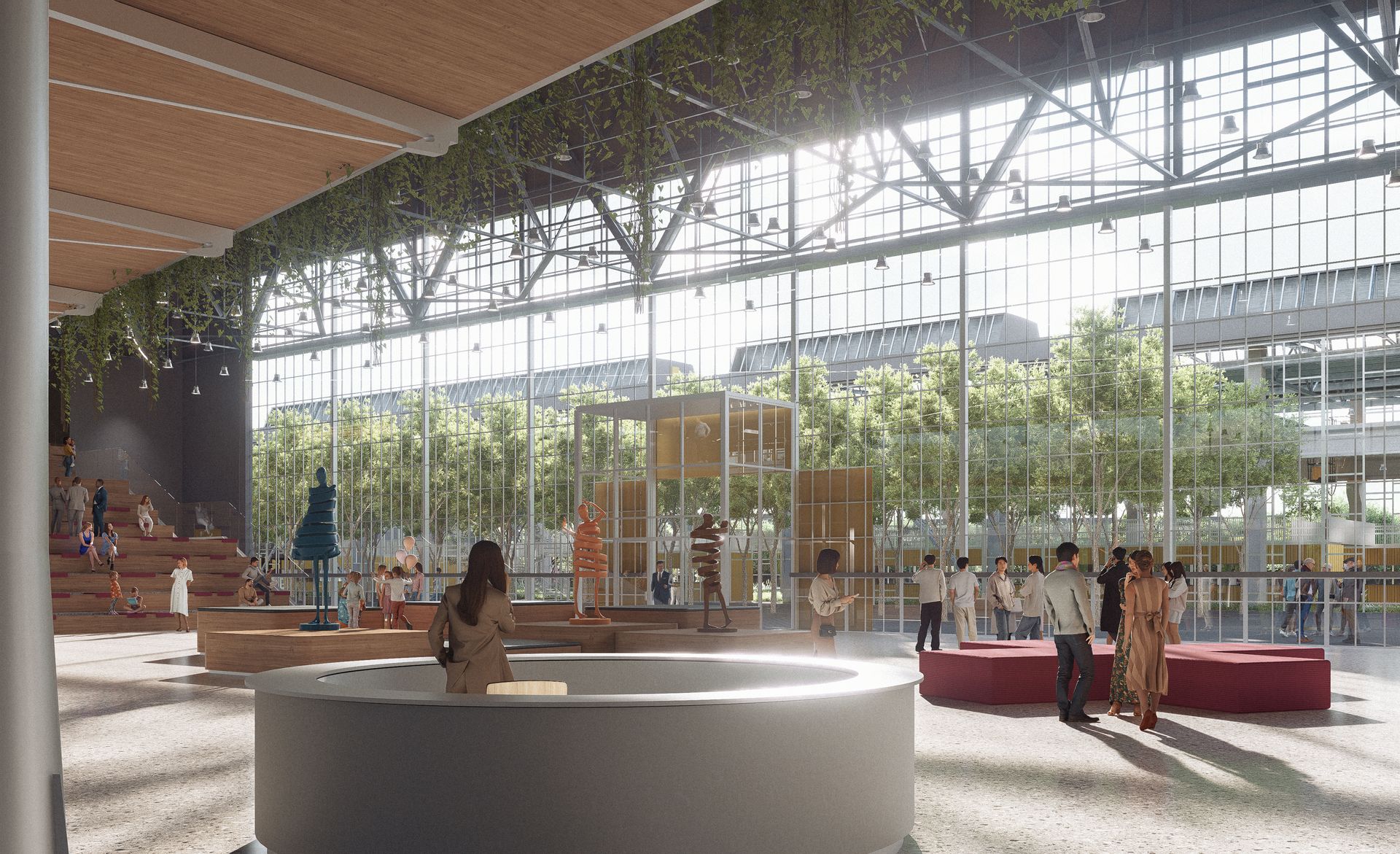
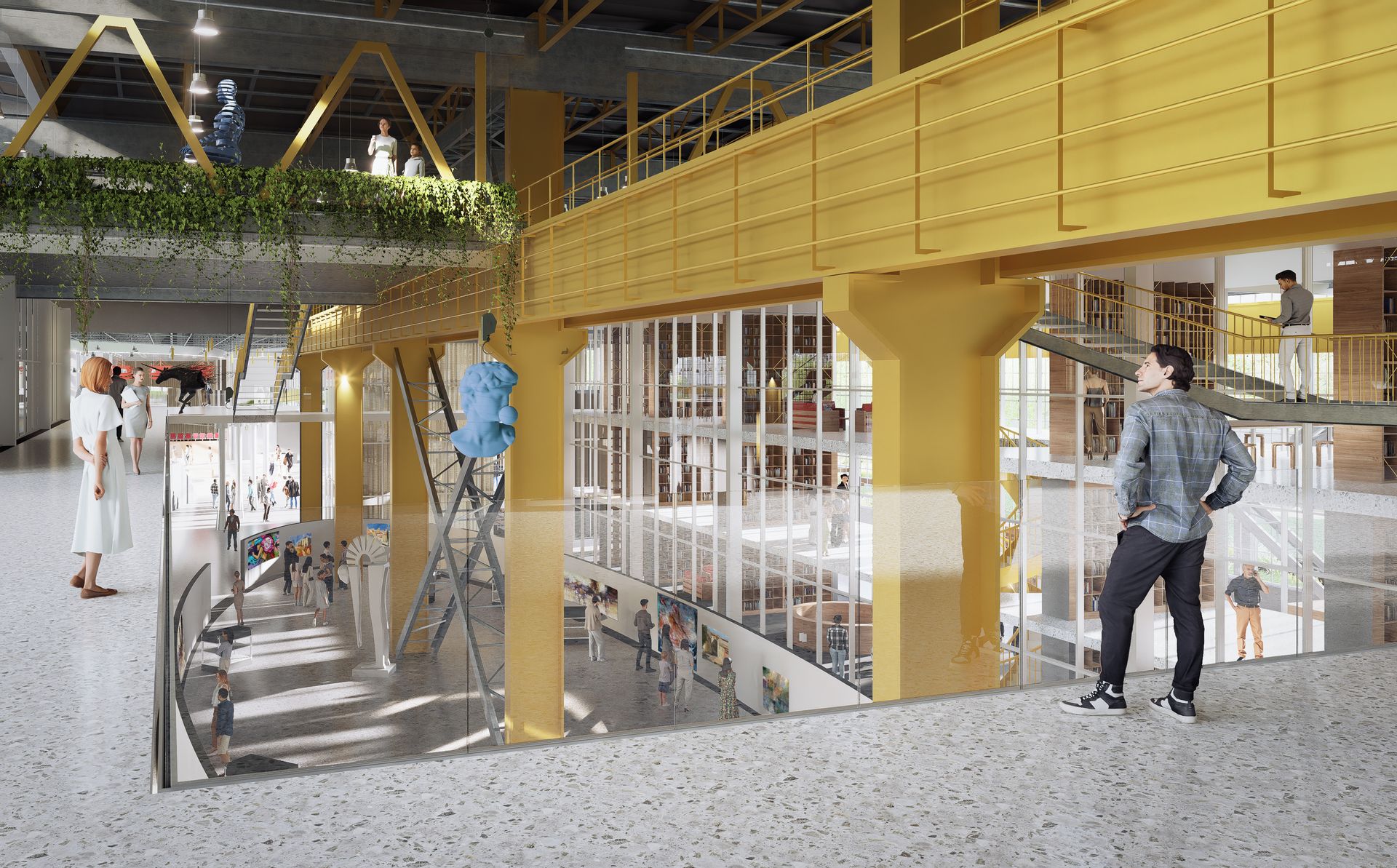
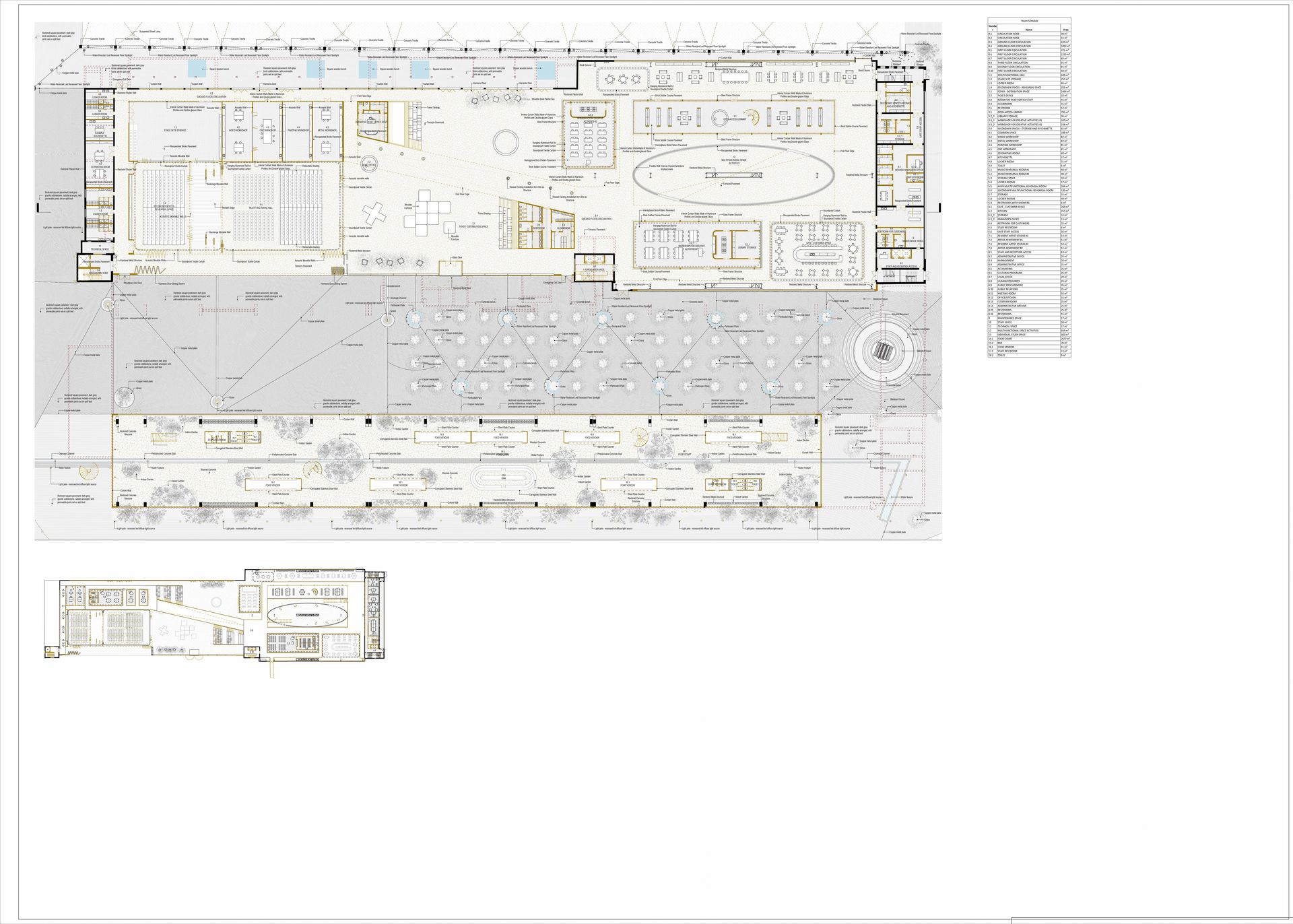
The intervention on Building C15 (Hangar 6) restores its cultural-historical heritage by reinstating the central axis from the 1930s. A longitudinal span of 15C will be demolished to create a pavilion composition, allowing the cultural center (15A and 15B) to communicate with the Orangery (15C), the museum (in the former thermal power plant), and the power plant chimney.
The facade of the former hangar will be restored, and circulation patterns inside will recall the original technological flow. The new floor will be detached from the old one, showcasing the columns and trusses. Indoor cranes will be repurposed as pillars for a footbridge, and recovered machines will become industrial monuments. Spaces will be designed for versatility, with multi-purpose rooms opening to green spaces by the Timiș River.
Community engagement and education are key to the project's success. We propose workshops, open days, and guided tours to involve the public in the redevelopment process. Schools, universities, and local organizations will be invited to participate in restoration activities, fostering education in conservation and sustainable architecture.
A digital platform will share updates and gather feedback. Public art competitions and community gardening initiatives will help residents connect with the space and foster a sense of ownership.
Our landscape strategy balances industrial heritage with sustainable green spaces, promoting biodiversity and climate resilience.
1. Strategy: The project regenerates the industrial landscape by restoring ecosystems, supporting biodiversity, and creating spaces for community interaction, such as educational gardens.
2. Urban Garden and Green Corridors: The urban garden will serve as a community hub, with native plants enhancing biodiversity. Green corridors will connect the garden to naturalist parks, promoting ecological continuity.
3. Native Species Lawns and Phytoremediation: Climate-resilient lawns featuring native species will restore soil health. Phytoremediation will use native plants to remove pollutants.
4. Naturalist Parks and Botanical Gardens: These spaces will promote environmental stewardship and recreation.
5. Sustainable Water Management: Rain gardens, bioswales, and bioretention systems will manage stormwater, while phytoremediation will purify water before it reaches the Timiș River.
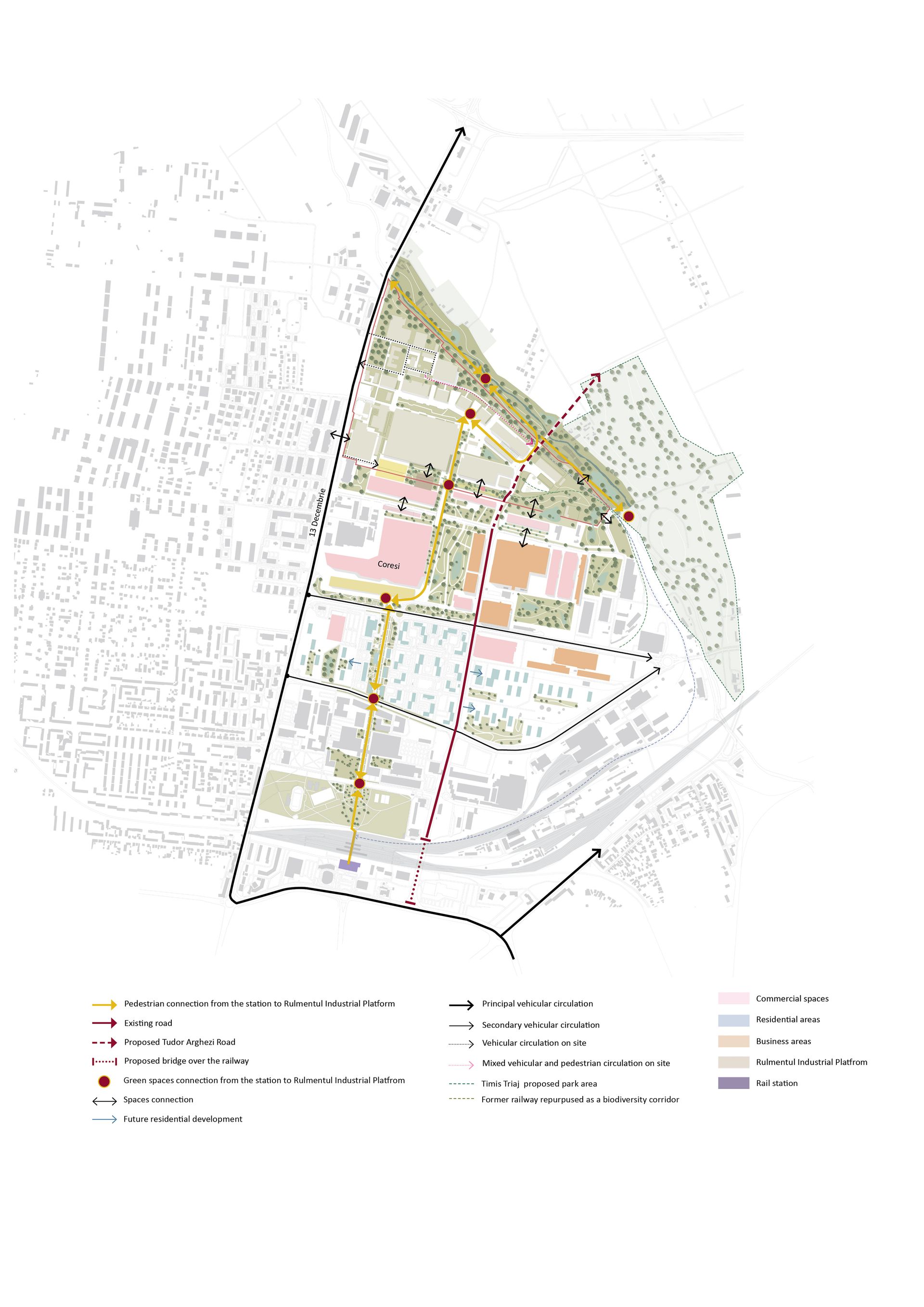
As part of a broader vision, we aim to connect the Rulmentul Brașov site with the city center through multiple intermodal pathways. Extending the pedestrian route from the Central Railway station, through Tractorul Park, to the Rulmentul site will create a continuous urban spine, linking residential, business, and cultural hubs.
The reconversion of nearby industrial areas will be supported through partnerships with local developers and mall owners, creating a sustainable, mixed-use neighborhood. Infrastructure improvements, such as extending Arghezi Street and constructing bridges over the railway and Timiș River, will ease traffic flow and connect the site with Sânpetru. Multi-story parking structures will reclaim pedestrian areas, promoting walkability and reducing traffic congestion.